
When your home starts showing problems all at once, it can feel impossible to know where to begin. A leaking ceiling, strange noises, uneven temperatures, or systems that simply stop working can quickly turn into stress, frustration, and decision fatigue. Many homeowners delay action not because repairs aren’t important, but because the list feels overwhelming. Without a clear plan, small problems linger, urgent issues get mixed with cosmetic ones, and costs can quietly climb.
A thoughtful home repair plan brings structure to the chaos. It helps you evaluate risk, prioritize safety, and spread repairs over time without ignoring what matters most. Instead of reacting to each issue as it appears, you gain a clear picture of your home’s condition and the steps needed to protect it. Planning also allows you to budget more effectively, avoid surprise emergencies, and coordinate repairs efficiently.
This guide walks you through building a practical repair plan when everything feels urgent. You’ll learn how to identify what truly needs immediate attention, what can wait, and how to organize repairs so your home stays safe, functional, and comfortable. The goal is progress, not perfection, and a solid plan makes even the most overwhelming repair list manageable.
Step One: Start With Structural and Exterior Protection
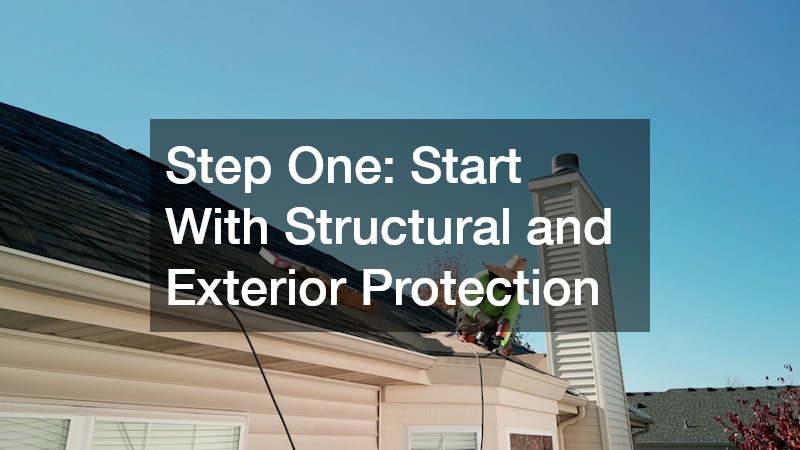
The first stage of any home repair plan should focus on protecting the structure of your home and preventing damage from spreading. Problems that allow water, pests, or outside air into your home tend to worsen quickly and create secondary issues if ignored. Even if these concerns don’t seem urgent today, they often become expensive emergencies tomorrow.
Begin with a careful inspection of your roof, siding, foundation, and any visible exterior openings. Signs like missing shingles, sagging areas, or unexplained water stains inside the home may point to the need for roof repairs. Addressing these issues early helps prevent moisture intrusion that can damage insulation, framing, and interior finishes. This type of repair often sits at the top of a priority list because it affects nearly every system inside the house.
Next, evaluate any visible masonry or venting systems that extend through the exterior. Cracks, crumbling materials, or loose components may signal the need for chimney repairs. These problems can affect ventilation, allow moisture inside the walls, and create safety concerns if left unresolved. Even if the fireplace isn’t used often, structural deterioration can still progress.
Finally, consider large moving components that protect access points. A malfunctioning garage door repair issue can compromise security, insulation, and daily convenience. When doors don’t open or close properly, they strain mechanical parts and can fail without warning. Stabilizing these exterior and structural elements creates a protective shell for your home, giving you breathing room to plan the next phase of repairs with confidence.
Step Two: Address Climate Control and Comfort Systems
Once your home’s exterior and structure are stabilized, the next priority is maintaining safe and consistent indoor conditions. Heating and cooling systems play a critical role in comfort, health, and energy efficiency. When these systems struggle, they often signal underlying problems that can worsen over time.
Uneven temperatures, unusual noises, or weak airflow can indicate the need for ac repairs. Delaying attention to these symptoms may lead to system strain, higher energy bills, and eventual breakdowns during peak seasons. Early evaluation allows smaller fixes to be made before major components fail, keeping your home comfortable when it matters most.
During colder months, heating reliability becomes even more important. If you notice delayed startup, inconsistent heat, or unfamiliar smells, it may be time to plan for furnace repair. Heating issues don’t just affect comfort; they can also raise safety concerns if combustion or ventilation isn’t working correctly. Addressing these problems early helps avoid emergency service calls during extreme weather.
Homes with integrated climate systems may also require broader attention from hvac repair services. These systems often connect heating, cooling, ventilation, and filtration, meaning one issue can affect multiple functions. Routine assessments help extend system lifespan and ensure proper operation year-round.
By prioritizing climate control systems early in your repair plan, you protect both comfort and health. Stable indoor conditions also make it easier to live in the home while other repairs are scheduled, keeping daily life as uninterrupted as possible.
Step Three: Secure Essential Utilities and Water Systems

After addressing structure and comfort, it’s time to focus on the systems that deliver water, power, and essential services throughout your home. Problems in these areas often remain hidden until they cause sudden disruption, making proactive planning especially important.
Electrical reliability is a key starting point. Flickering lights, tripped breakers, or outdated components may signal the need for an electrical panel upgrade. Modern homes rely on increased electrical demand, and older panels may struggle to support appliances safely. Planning this upgrade reduces fire risk and ensures your home can handle current and future needs.
Water delivery systems also deserve careful attention. If you experience low pressure, inconsistent flow, or unusual noises, it may indicate the need for water pump repair services. These systems are vital for maintaining daily routines, and failures can impact multiple fixtures at once. Addressing early warning signs helps avoid sudden loss of water access.
Finally, drainage issues can quietly create damage behind walls or beneath floors. Slow drains, recurring clogs, or unpleasant odors often point toward the need for drain cleaning. Regular attention keeps pipes clear, reduces strain on plumbing, and minimizes the risk of leaks or backups that can damage flooring and cabinetry.
By securing your home’s utility systems, you ensure that daily life continues smoothly while other repairs are planned. Reliable water, power, and drainage provide the foundation for tackling additional projects without unnecessary disruption.
Step Four: Prioritize Interior Water Exposure and Moisture Control
Water damage inside the home often starts small and escalates quietly. Drips, leaks, and excess humidity can weaken materials, promote mold growth, and damage finishes before homeowners realize the scope of the issue. That’s why moisture-related repairs deserve a clear place in your home repair plan.
Bathrooms are one of the most common sources of interior water problems. Aging enclosures, cracked seals, or outdated fixtures can allow water to escape into walls and flooring. Planning for shower door replacement helps prevent leaks while also improving usability and appearance. Even minor failures around showers can lead to warped subfloors and hidden moisture damage if ignored.
Beyond visible fixtures, drainage systems within the home also play a critical role. Poor water flow or recurring slow drains can indicate buildup or deeper plumbing issues. Scheduling routine evaluations and addressing warning signs early helps reduce the risk of backups that can damage cabinets, drywall, and flooring.
Moisture control isn’t limited to bathrooms and kitchens. Basements, laundry areas, and utility rooms often experience elevated humidity levels that can affect stored items and structural components. Addressing these areas within your repair plan allows you to reduce long-term damage and preserve indoor air quality.
By placing interior water exposure issues high on your priority list, you protect the parts of your home that are most vulnerable to hidden deterioration. These repairs often prevent far more costly problems down the road, making them a smart investment early in the planning process.
Step Five: Evaluate Mechanical Systems That Support Daily Living

Once immediate water risks are under control, your repair plan should focus on mechanical systems that quietly support everyday routines. These systems often operate in the background, which makes their gradual decline easy to overlook until performance drops noticeably.
Climate systems beyond basic heating and cooling deserve attention during this stage. If airflow seems inconsistent, temperatures fluctuate between rooms, or energy bills steadily increase, it may be time to schedule professional HVAC repair services. These systems influence comfort, humidity, and air quality throughout the home, making them essential to daily well-being.
In some homes, cooling issues may appear isolated at first. Warm spots, delayed startup, or frequent cycling can signal the need for targeted AC repairs. Addressing these problems early improves efficiency and reduces wear on major components, extending system lifespan.
Heating reliability also plays a role in long-term planning. If your system struggles during colder periods or requires frequent adjustments, scheduling furnace repair can restore dependable performance. Proactive service helps prevent breakdowns that often occur at the worst possible time.
By grouping mechanical system repairs together in your plan, you can coordinate evaluations, manage costs more effectively, and minimize repeated disruptions. This approach ensures your home remains comfortable and functional while larger or less urgent projects are scheduled later.
Step Six: Don’t Overlook Vertical and Exhaust Systems
Certain systems in a home serve specialized functions but still play a critical role in safety and efficiency. These components are often forgotten during planning because they aren’t used daily or are partially hidden from view.
One example is your home’s venting and exhaust structures. Deterioration, blockages, or structural damage can affect airflow and safety. Planning for chimney repairs helps ensure proper ventilation and prevents moisture intrusion or structural weakening around the roofline. Even unused chimneys can deteriorate over time and impact surrounding materials.
Roof penetrations associated with vents, flues, and exhaust outlets also deserve inspection. Small gaps or damaged flashing can allow water to enter, eventually requiring broader roof repairs if not addressed early. Including these elements in your plan helps preserve the integrity of your roofing system.
These vertical systems often connect multiple parts of the home, meaning a single failure can have wide-reaching effects. Addressing them proactively reduces risk and improves overall system performance.
By accounting for less-visible but essential components, your repair plan becomes more comprehensive. This attention to detail helps prevent future surprises and supports long-term home stability.
Step Seven: Plan Repairs That Improve Function and Safety

Not all repairs are urgent emergencies, but many directly affect how safely and efficiently your home operates. Including these projects in your plan allows you to schedule improvements without waiting for failure.
Access points are a good example. Doors that stick, rattle, or fail to seal properly can affect security and energy efficiency. Scheduling garage door repair improves reliability while reducing strain on mechanical parts that can wear out prematurely if ignored.
Electrical performance also deserves continued attention beyond major upgrades. After completing an electrical panel upgrade, homeowners often discover smaller issues like outdated outlets or insufficient capacity in specific areas. Planning follow-up electrical improvements ensures your system performs safely and supports modern usage.
Water delivery reliability remains important as well. Even after addressing major plumbing concerns, monitoring performance helps identify when water pump repair services may be needed again. Consistent water pressure and flow support daily tasks and prevent strain on connected fixtures.
Including these functional repairs in your plan helps maintain a safe, efficient living environment. They may not feel urgent, but addressing them deliberately prevents gradual decline and enhances overall home performance.
Step Eight: Create a Timeline That Matches Your Budget and Capacity
A successful home repair plan balances urgency with realism. Trying to fix everything at once often leads to rushed decisions and financial stress. Creating a phased timeline allows you to make steady progress while staying in control.
Start by categorizing repairs into immediate, short-term, and long-term needs. Immediate items typically involve safety, water intrusion, or system failure. Short-term projects improve comfort and function, while long-term upgrades enhance efficiency or aesthetics.
Budgeting plays a major role in this process. Grouping related repairs together can reduce labor costs and minimize repeated disruptions. For example, addressing interior plumbing concerns alongside drain cleaning allows multiple issues to be resolved in a single service window.
Your timeline should also account for seasonal considerations. Climate-related work often needs to happen before extreme weather, while interior projects may be easier to schedule during quieter months. Flexibility helps you adjust as new information emerges during inspections.
By setting a clear timeline, you transform an overwhelming list into a manageable roadmap. Progress becomes measurable, stress decreases, and each completed step builds momentum toward a fully functional home.
When everything in your home seems to need attention, the problem isn’t just the repairs themselves, but the lack of structure around them. A thoughtful home repair plan replaces anxiety with clarity. It helps you see what truly matters, what can wait, and how each decision supports the long-term health of your home. No home is ever truly “finished,” but a strong repair plan gives you control. Instead of reacting to emergencies, you respond with intention. Over time, even the most overwhelming repair list becomes a series of achievable steps, bringing confidence, comfort, and peace of mind back into your home.