
When temperatures begin to drop, most homeowners focus on comfort—warm blankets, hot drinks, and sealed windows. But freezing weather has a way of testing more than comfort. It tests the resilience of your home itself.
Pipes expand and burst. Roofs collect ice and snow. Heating systems strain under continuous demand. And small oversights—barely noticeable during mild weather—can turn into expensive repairs almost overnight.
Preparing your house for freezing temperatures isn’t about reacting when something breaks. It’s about quietly reinforcing your home in advance, so when winter arrives, it meets resistance—not vulnerability.
This guide walks through that preparation in a practical, grounded way—room by room, system by system—so nothing important slips through the cracks.
Why Does Freezing Weather Damage Homes So Quickly?
Cold weather doesn’t damage homes in one dramatic moment. It works gradually, exploiting weak points.
Another factor that accelerates damage is repeated freeze-thaw cycles. When temperatures fluctuate, materials expand and contract continuously. This weakens joints, loosens fasteners, and creates micro-cracks that aren’t immediately visible. Over time, these small structural stresses can lead to leaks, insulation failure, and even foundation issues. Homes that appear stable during early winter often reveal damage only after several cycles of freezing and thawing.
Water expands when it freezes. That single property is responsible for many winter issues:
- Pipes crack under pressure
- Small roof leaks widen
- Moisture trapped in walls causes structural stress
At the same time:
- Heating systems run longer than usual
- Ice blocks drainage systems
- Outdoor materials become brittle
Cold air also reduces the efficiency of materials that normally protect your home. Sealants shrink, wood contracts, and metal components become more rigid and prone to stress fractures. This combination creates an environment where even durable structures can fail if not properly maintained.
The combination of pressure, expansion, and prolonged exposure is what makes winter particularly unforgiving.
Understanding this helps you prepare with intention—not guesswork.
What Should You Check First Before Temperatures Drop?
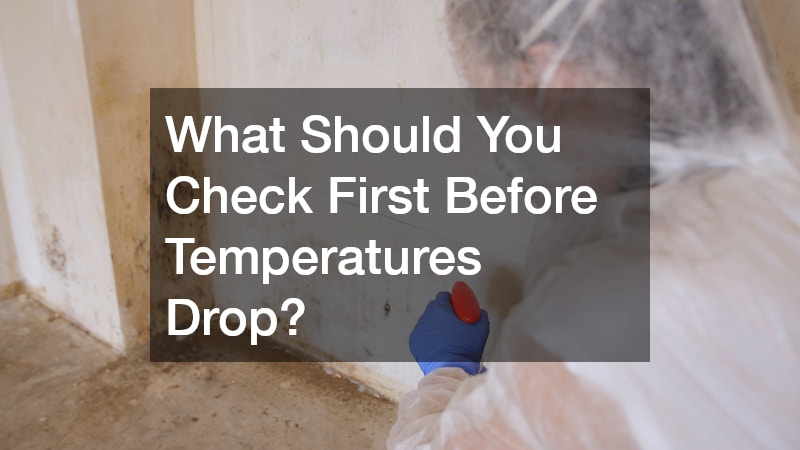
Before making any upgrades or purchases, start with observation. Walk through your home slowly and look for early warning signs.
It also helps to compare your home’s current condition with previous seasons. If you’ve experienced issues like minor leaks, drafts, or heating inefficiencies before, those areas should be prioritized. Seasonal maintenance is cumulative—small unresolved problems from the past often resurface more aggressively during colder months.
Pay attention to:
- Drafts near windows and doors
- Damp spots on ceilings or walls
- Slow-draining sinks
- Cracks in exterior walls or foundation
- Unusual noises from heating systems
Go a step further by inspecting less obvious areas:
- Check attic insulation thickness
- Look behind appliances for hidden leaks
- Inspect basement corners for moisture buildup
These small signals often point to bigger vulnerabilities.
Think of this step as a baseline assessment. It tells you where your attention is most needed and forms the foundation of effective winter home preparation.
How Can You Protect Your Pipes from Freezing?
Frozen pipes are one of the most common and costly winter problems. Prevention here is far easier than repair.
In addition to insulation and airflow, consider the placement of your thermostat. Maintaining a steady indoor temperature—even when you’re away—is critical. Sudden drops in indoor heat can expose pipes to freezing conditions quickly.
Start with insulation:
- Wrap exposed pipes in foam insulation
- Focus on basements, attics, and garages
- Don’t forget outdoor hose bibs
Keep water moving:
- Let faucets drip slightly during extreme cold
- Open cabinet doors under sinks to allow warm air circulation
Seal gaps:
- Close openings where cold air enters near plumbing lines
- Use caulk or expanding foam for small cracks
You can also install pipe heating cables in high-risk areas. These cables provide gentle warmth and are particularly useful in regions with prolonged freezing conditions.
If temperatures drop severely, even well-insulated pipes can freeze. Keeping indoor heat consistent is just as important as insulation.
Are Your Windows and Doors Letting Heat Escape?
Heat loss is often invisible but expensive. Even a small draft can increase heating demand significantly.
You can also improve insulation without major upgrades by rearranging interior elements. Placing rugs on cold floors and positioning furniture away from drafty walls can reduce perceived heat loss.
Simple ways to reduce heat loss:
- Apply weatherstripping around doors
- Use window insulation film
- Add heavy curtains or thermal drapes
- Seal gaps with caulking
Consider upgrading to double- or triple-pane windows if heat loss is significant. While this is a larger investment, it greatly improves energy efficiency and indoor comfort during winter months.
Stand near windows during a cold evening. If you feel a temperature difference, heat is escaping—and your heating system is working harder than necessary.
What Should You Do About Your Heating System?
Your heating system becomes the backbone of your home during winter. If it fails, everything else becomes harder to manage.
Beyond routine maintenance, it’s useful to understand how your system performs under extended use. Pay attention to uneven heating across rooms, unusual cycling patterns, or increased energy bills.
Before peak winter:
- Schedule a professional inspection
- Replace air filters
- Check thermostat accuracy
- Ensure vents are not blocked
Additionally, consider zoning your heating system. This allows you to control temperatures in different areas of your home, improving efficiency and reducing strain.
A well-maintained system doesn’t just provide warmth—it protects your entire home from freezing-related damage.
How Do You Prepare Your Roof for Snow and Ice?
Your roof takes the full impact of winter weather.
Attic ventilation plays a critical role in roof health during winter. Poor ventilation traps warm air, which can melt snow unevenly and contribute to ice dam formation.
Look for:
- Missing or damaged shingles
- Sagging areas
- Clogged gutters
You may also want to install ice and water shields beneath shingles in vulnerable areas. These provide an extra layer of protection against water infiltration.
Snow accumulation should not be ignored. Excess weight can stress structural components, especially on older roofs.
What Outdoor Areas Need Attention Before Winter?
Outdoor preparation is often overlooked but essential.
It’s also worth evaluating lighting around outdoor spaces. Shorter daylight hours combined with icy conditions increase the risk of slips and falls.
Take time to:
- Store or secure outdoor furniture
- Drain and disconnect garden hoses
- Shut off exterior water valves
- Anchor loose structures
Consider applying anti-slip treatments to walkways and driveways. This small step improves safety significantly during icy conditions.
What Should You Keep in Your Emergency Supplies?
A well-prepared home includes practical emergency supplies.
Every household should review their home emergency kit essentials before winter begins.
In addition to basics, consider adding:
- Portable power banks
- Extra blankets or sleeping bags
- Battery-powered radio
- Backup heating sources (safe and approved)
Organization matters just as much as having supplies. Store items in clearly labeled containers and ensure they are easily accessible.
Preparedness is about readiness, not excess.
How Can You Prevent Frozen Drains and Sewer Issues?
Drainage systems also struggle in freezing temperatures.
Another preventative step is monitoring outdoor drainage points. Ensure gutters and drains remain clear of debris before freezing temperatures set in.
To reduce risk:
- Avoid pouring grease down drains
- Run hot water periodically
- Insulate exposed drainage lines
If your home has a history of drainage issues, consider professional inspection before winter. Preventative cleaning can reduce the risk of backups during freezing conditions.
Are You Managing Indoor Moisture Properly?
Indoor moisture can quietly cause damage during winter.
Houseplants, aquariums, and drying clothes indoors can increase humidity levels. Monitoring moisture helps prevent condensation and mold issues.
Maintain balance:
- Use exhaust fans
- Keep humidity moderate
- Ensure ventilation
A hygrometer can help you track indoor humidity levels and maintain a healthy range.
What Electrical Precautions Should You Take?
Winter increases electrical demand significantly.
Consider creating a simple usage plan to avoid overloading circuits.
Practical steps:
- Use surge protectors
- Avoid overloading outlets
- Inspect cords regularly
Backup power solutions, such as generators, can provide additional security during outages—but they must be used safely and according to guidelines.
How Can You Prepare Your Garage and Storage Areas?
Garages influence your home’s temperature stability more than expected.
Minimizing frequent door openings during extreme cold helps maintain warmth. Sealing gaps around garage doors also reduces cold air entry.
Check:
- Door seals
- Insulation
- Stored items
Consider insulating garage walls if they share space with your home.
What Habits Should You Follow During Cold Waves?
Daily habits make a significant difference during extreme cold. Even a well-prepared home can become vulnerable if day-to-day practices are inconsistent.
Designating a “warm zone” inside your home can help conserve energy and maintain comfort. This is especially useful during extended cold spells or when heating systems are under strain.
During cold waves:
- Maintain a consistent indoor temperature, even overnight
- Let faucets drip slightly to prevent freezing
- Open interior doors to improve heat circulation
- Keep blinds open during the day for natural warmth
- Close curtains at night to retain heat
It’s also important to monitor indoor conditions actively. Check for cold spots near walls, windows, and floors. These areas often signal insulation gaps or airflow issues that can worsen over time.
Another useful habit is limiting unnecessary ventilation during extreme cold. While airflow is important, leaving doors or windows open for extended periods can quickly reduce indoor temperature and increase heating load.
Consistency is what protects your home. Small daily actions reduce strain on systems and prevent minor issues from escalating.
How Do You Keep Your Home Safe During Power Outages?
Preparation before outages is essential, but knowing how to respond during one is equally important.
Freezing temperatures combined with power loss can quickly create unsafe living conditions. Your priority should be conserving heat, maintaining safety, and preserving essential resources.
If power goes out:
- Close off unused rooms to retain heat
- Use blankets, layered clothing, and insulated spaces
- Keep refrigerator and freezer doors closed
- Use battery-powered lighting instead of candles when possible
Avoid unsafe heating methods such as:
- Gas stoves used for heating
- Outdoor heaters brought indoors
- Improvised fire sources
These can create serious fire and carbon monoxide risks.
If outages last longer, focus on maintaining one livable space rather than heating the entire home. This reduces energy use and helps retain warmth more effectively.
Preparation also includes:
- Keeping backup batteries fully charged
- Knowing where flashlights are stored
- Understanding how to safely shut off utilities if needed
The goal is not just to get through the outage—but to do so safely and calmly.
Are You Overlooking Small Maintenance Tasks?
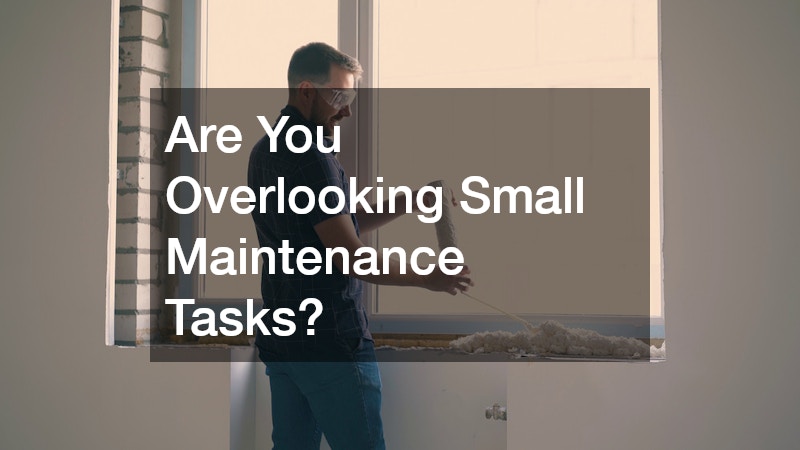
Small maintenance tasks often feel insignificant—but during winter, they make a measurable difference.
Before winter, review a simple winter home maintenance checklist to ensure nothing is missed.
Often overlooked tasks include:
- Checking attic insulation for gaps or compression
- Cleaning vents and ensuring airflow is not blocked
- Testing smoke and carbon monoxide detectors
- Sealing door thresholds and minor cracks
- Inspecting weatherstripping for wear
These are not major upgrades, but they directly affect how your home performs in freezing temperatures.
It’s also important to revisit these tasks mid-season. Weather conditions change, and new vulnerabilities can develop after storms or prolonged cold exposure.
A small crack, loose seal, or blocked vent may not seem urgent—but under freezing conditions, it can quickly lead to larger problems.
Attention to detail is what separates reactive homeowners from prepared ones.
What Should You Do If Something Goes Wrong?
Even with careful preparation, issues can still arise. What matters most is how quickly and effectively you respond.
The first step is staying calm and identifying the source of the problem. Panic often leads to rushed decisions, which can worsen damage.
If a pipe freezes:
- Turn off the main water supply immediately
- Apply gentle heat using a hairdryer or warm cloth
- Avoid open flames or excessive heat
If your heating system fails:
- Move to a smaller insulated area
- Use safe backup heating if available
- Layer clothing and use blankets
If water damage occurs:
- Stop the source if possible
- Document the damage with photos
- Contact a professional promptly
Preparation also includes having:
- Emergency contact numbers saved
- A list of trusted repair professionals
- Basic tools accessible when needed
Quick, informed action minimizes both damage and cost.
How Can You Build Long-Term Winter Resilience?
Long-term resilience is built over time through consistent improvements and awareness.
Instead of treating winter preparation as a seasonal task, approach it as an ongoing process. Each year offers insights into how your home performs under stress.
Consider long-term upgrades such as:
- Improving insulation in walls and attics
- Installing energy-efficient windows
- Upgrading to a modern heating system
- Enhancing drainage and water flow systems
These changes not only protect your home but also improve energy efficiency and reduce long-term costs.
It’s also valuable to document what worked and what didn’t during each winter. Keeping simple notes allows you to refine your preparation strategy year after year.
Resilient homes are not built overnight—they are developed through steady, informed decisions.
Moving Through Winter with Confidence
Emergency preparedness is not about expecting the worst. It’s about understanding your home and supporting it where needed.
Confidence comes from preparation, familiarity, and consistency. When you know how your home behaves in freezing temperatures, you respond with clarity instead of urgency.
A well-prepared home:
- Maintains stable indoor conditions
- Reduces the risk of sudden damage
- Supports safe and comfortable living
- Handles disruptions more effectively
Winter will always bring challenges. But with the right preparation, those challenges become manageable rather than overwhelming.
A well-prepared home doesn’t just survive freezing temperatures—it stands steady through them.
Conclusion: Preparing Your Home for Winter with Confidence
Preparing your home for freezing temperatures isn’t about reacting to problems—it’s about preventing them before they begin. When you take the time to inspect, reinforce, and maintain your home, you reduce the risk of costly damage and create a safer, more stable environment for your family.
From protecting pipes and sealing drafts to managing heating systems and planning for emergencies, each step plays a role in strengthening your home against winter conditions. Even small actions—done consistently—can make a meaningful difference when temperatures drop.
For additional guidance, it’s helpful to refer to trusted resources. For example, the U.S. Department of Energy provides practical advice on improving home insulation and reducing heat loss, while the Centers for Disease Control and Prevention outlines safety precautions during extreme cold and power outages. You can also explore seasonal home safety recommendations from the American Red Cross to strengthen your emergency readiness.
Key Takeaways
- Prevention is more effective than repair: Address small vulnerabilities before they escalate in freezing conditions
- Protect critical systems first: Pipes, heating, and insulation should be your top priorities
- Stay consistent with daily habits: Small routines during cold waves help prevent major issues
- Prepare for disruptions: Having supplies and a plan reduces stress during outages or emergencies
- Think long-term: Gradual upgrades and regular maintenance improve resilience year after year